

Organ and Tissue Donation in Aotearoa

Organ Donation New Zealand

Organ donation New Zealand is the national service that is responsible for organising organ and tissue donation throughout Aotearoa New Zealand. This dedicated and passionate team consists of specialist doctors and nurses who provide expertise and care to support the donation journey.
What is organ donation and tissue donation?

When someone in Aotearoa New Zealand dies, there may be an opportunity for organ or tissue donation.

Organ and tissue donation involves carefully and respectfully removing organs or tissue from a donor after they have died and gifting them to someone who is very unwell and in need of a transplant. This process is carried out with great care to uphold the dignity of the person who has passed and their whānau.

Every donation is considered a taonga — a precious gift that can bring life, hope, and healing to recipients and their whānau.

It is important to kōrero with your whānau and friends about your wishes regarding organ and tissue donation. For many Māori whānau, these conversations help ensure decisions made at a difficult time reflect tikanga, whakapapa, and the mana of the person who has passed.

In Aotearoa New Zealand, whānau consent is always sought before donation can go ahead — even if you have ‘donor’ on your driver licence. Sharing your wishes helps guide your whānau, providing clarity and comfort when they are asked to make decisions on your behalf.

When a person has talked with their whānau about wanting to be an organ donor, whānau in most cases choose to honour those wishes. This kōrero can make a significant difference and help ensure your wishes are upheld.

In Aotearoa, many people can be considered for organ and/or tissue donation. A person’s age and health at the time of death is assessed to see what can be safely gifted.

Organ donation can only happen when someone dies in an intensive care unit while on a breathing machine. This is rare, which is why every organ donation is such a precious taonga. Tissue donation can take place in most circumstances, no matter where a person dies, including when someone passes at home, in hospital or in hospice care.

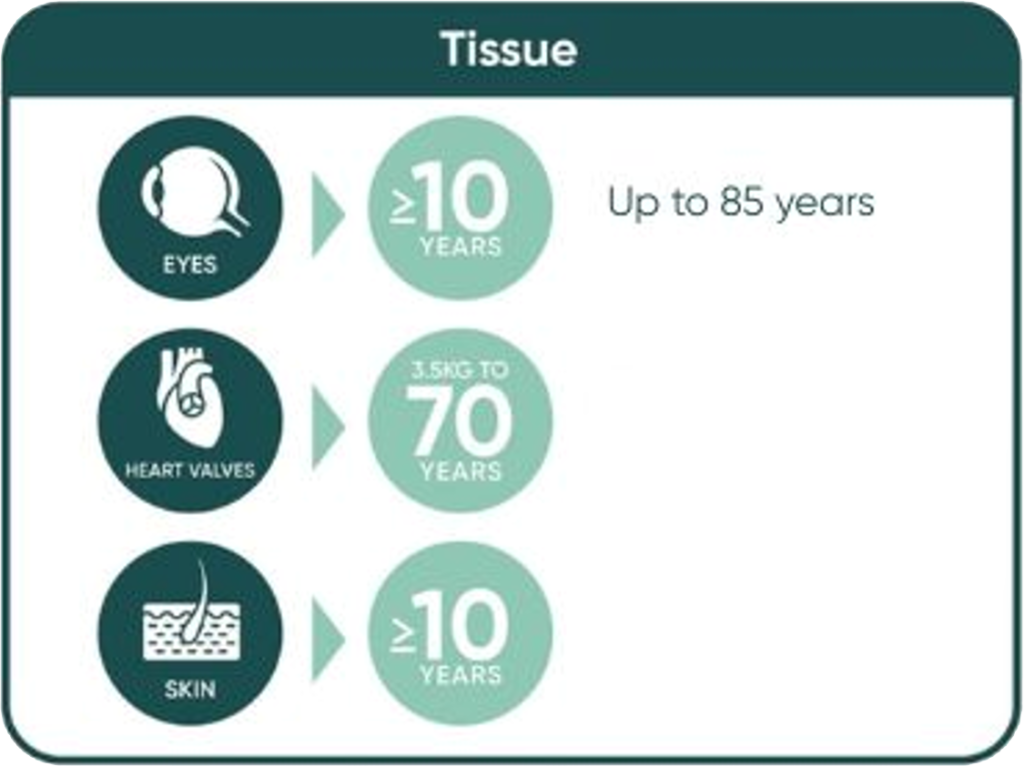
There are very few conditions which completely prevent a person from being a donor — however people with cancer usually cannot donate organs because of the risk to recipients. Despite this, in many cases they can still donate tissue, such as eyes, skin, or heart valves.

Every koha given — organ or tissue — carries huge aroha and can bring hope and healing to another whānau. A person who receives an organ or tissue koha is often on a waiting list, and this precious gift can be life‑saving and life‑changing for them and their whānau

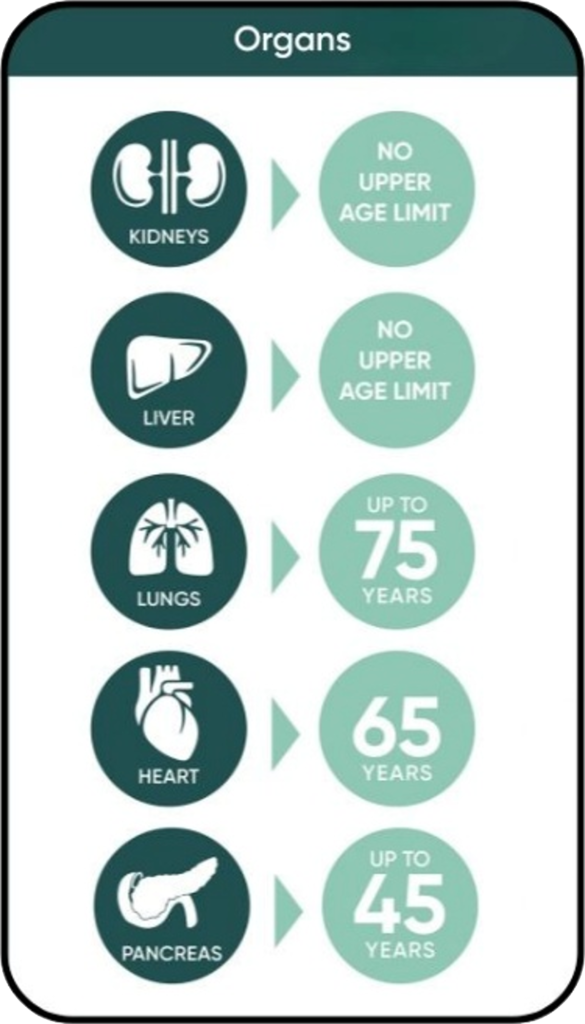
When donation is possible, the following organs and tissues may be gifted:

In most circumstances a person cannot fully arrange to be a donor prior to death. Even if the person has shared their wish to be a donor, whānau must still give consent at the time of death. The most important step is having open and compassionate kōrero with whānau, so they understand the persons wishes and can confidently and lovingly honour and uphold the person’s mana and wishes when the time comes.

Donation can be arranged in advance if a person has been found eligible for an assisted death. Once eligibility is confirmed, a person may express their wish to be an organ or tissue donor, and this can be considered before their planned death. This process allows time for meaningful whānau engagement, ensuring decisions honour tikanga, whakapapa, and the values of both the person and their whānau.

Organ Donation New Zealand

Phone: 📞 Freephone (general enquiries): 0800 4 DONOR (0800 436 667)

Email: ✉️ General enquiries: contactus@donor.co.nz

Organ donation

Jen Rogers

Organ donation

Te Hurinui Karaka-Clarke